

2150/2151 WEST DRY CREEK
A balance between agricultural authenticity and curated living, integrating pathways, gathering areas, and restored natural zones to elevate both usability and aesthetic value. The overall approach positions the landscape as an extension of the architecture—supporting hospitality, lifestyle, and long-term land stewardship.

01
Biodynamic Ecosystem
This is your Project description. Provide a brief summary to help visitors understand the context and background of your work. Click on "Edit Text" or double click on the text box to start.
02
BotanicalField Guide- Look Book
Where the Valley Meets the Creek
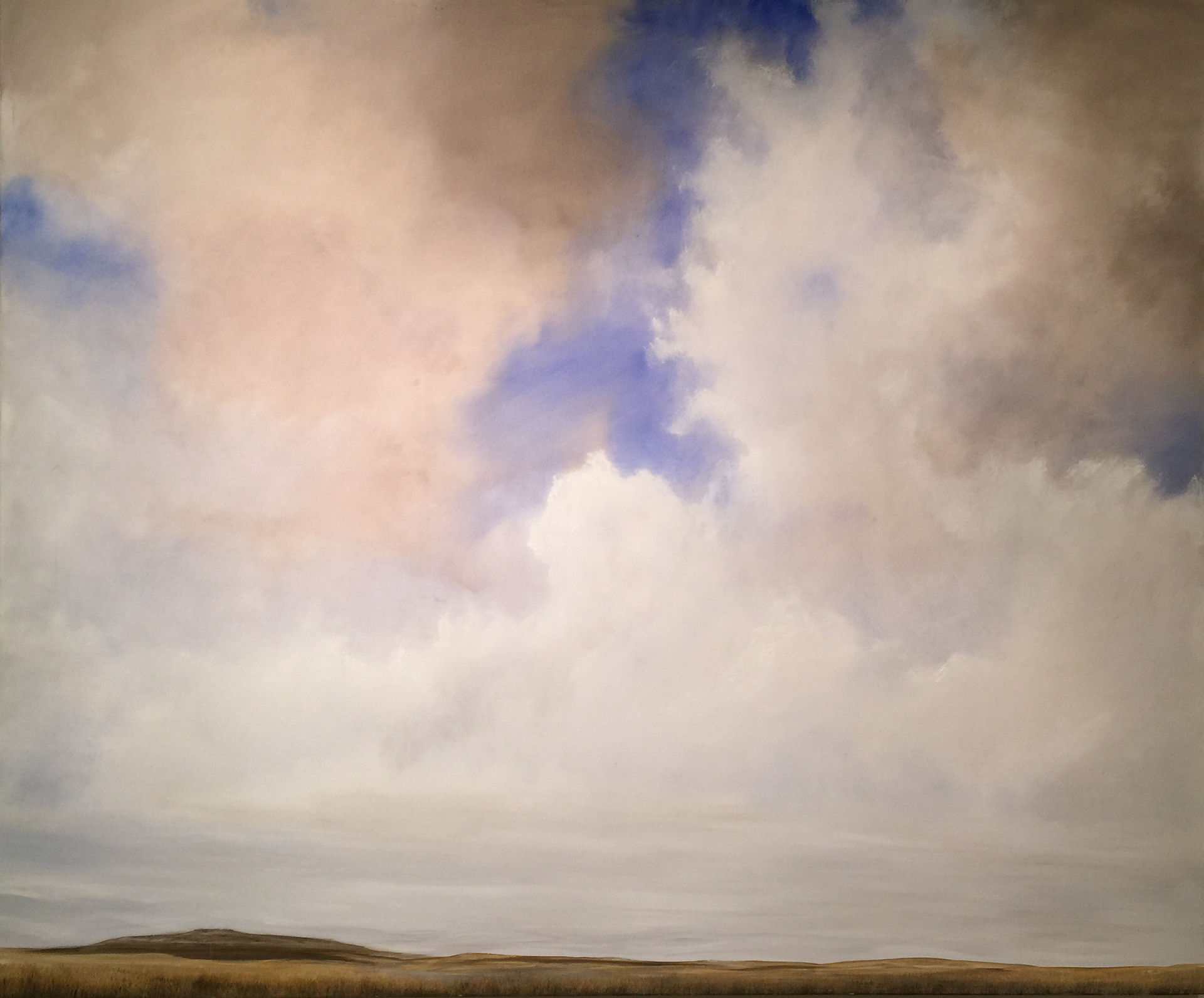
Dry Creek Valley sits within a narrow, north-northwest trending corridor flanked by the Mayacamas range to the east and the Russian River watershed to the west. The land occupies one of the valley's most ecologically layered positions — a wedge where cultivated vineyard grades into a live-oak and willow riparian corridor along Dry Creek itself.
The plant palette presented here is structured to honor that layering: cultivated anchor plants near structures, Mediterranean companions in the transitional zone, and California natives anchoring the riparian corridor.


03
Recommended Landscape Plants
design specification tool—organizing recommended plants (trees, shrubs, perennials, etc.) based on performance criteria like drought tolerance, fire resistance, native status, sun exposure, and ecological value
04
Biodynamic Site Plan & Management Calendar
This page outlines a biodynamic management approach for the property, treating the land as a fully integrated living system where soil, vines, plants, and surrounding ecology work in balance. Rooted in regenerative and organic principles, it emphasizes soil health, biodiversity, natural inputs, and seasonal rhythms to support long-term vitality and productivity. The result is a thoughtful, sustainable framework that enhances both the environmental integrity of the land and the quality of what it produces.
